Blog
-
AIDBNY – Wk2: A First Pass at Model Mapping
Zeroing in on prompts for testing LLM performance across Code, Analysis, and Creative tasks to build a personal Model Map.
-
Second Brain Insurance: Restic + Org-Roam
As I incorporate AI agents into my workflow, a backup strategy for my 2nd brain is vital. This post covers my initial approach to backing up my notes with Restic.
-

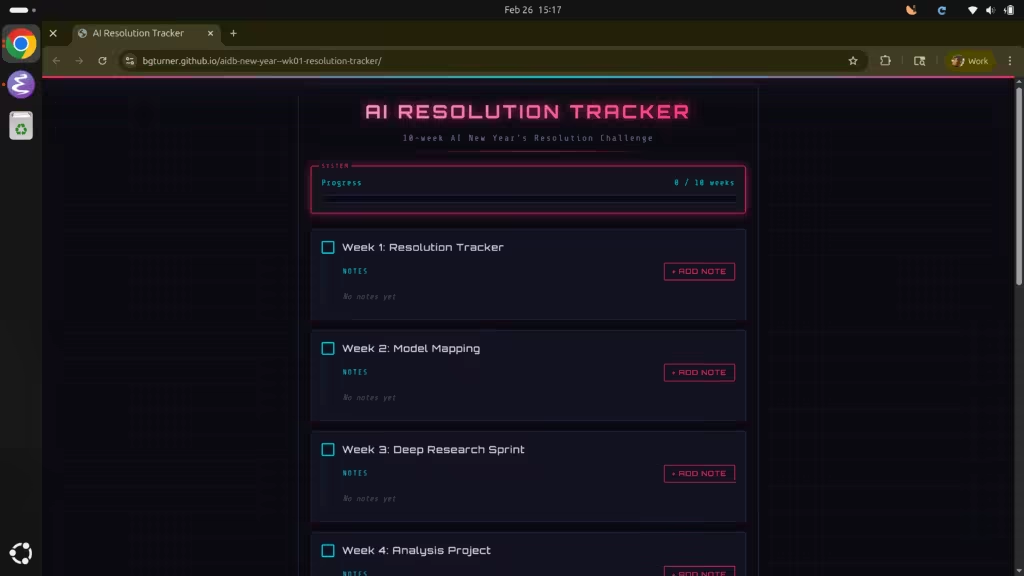
AIDBNY – Wk 1: Building an AI Resolution Tracker
By swapping the “pay-to-play” friction of high-abstraction builders for a hands-on workflow in OpenCode, I turned my Week 1 resolution tracker into a project that feels like a real engineering foundation rather than a discarded prototype.
-

Diving into the AI Daily Brief
2026 is the year I put AI front and center starting with joining two of AI Daily Brief’s programs.
-
Securing OpenRouter keys with Direnv and GPG
Categorized: developmentSecure your OpenRouter keys by using GPG for encryption and direnv for directory-aware environment loading. A safe, automated workflow.
-

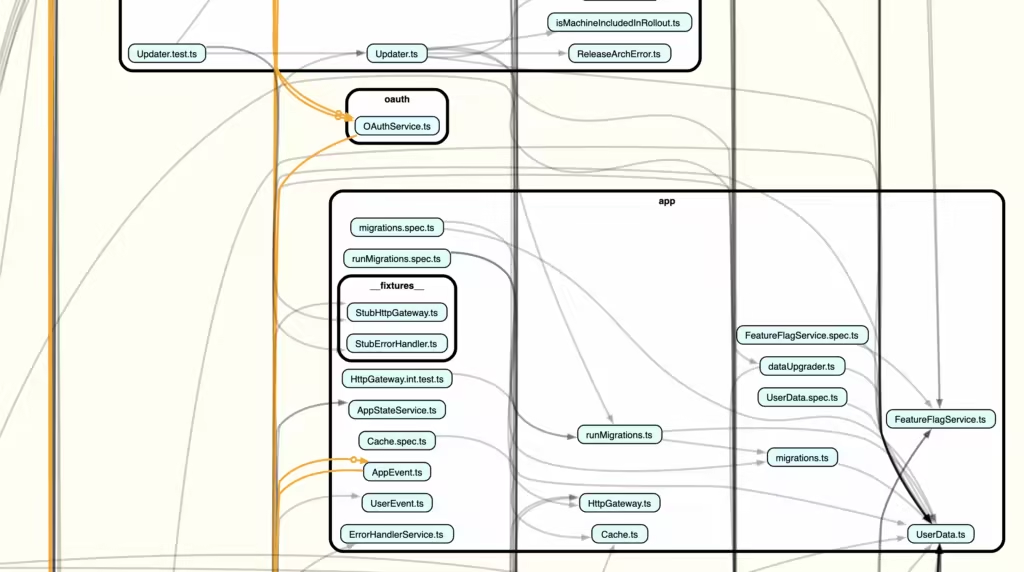
Visualize a Typescript Codebase with Dependency Cruiser
Categorized: developmentDependency-cruiser is a useful tool for visualizing dependencies and enforcing architectural guidelines.
-

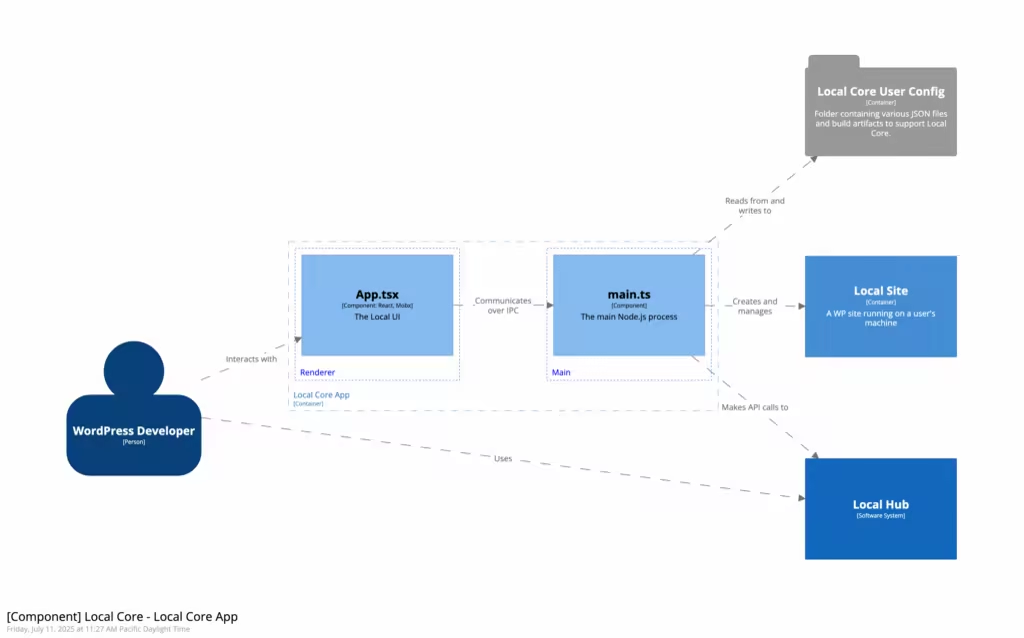
Using Structurizr to Create C4 Model Diagrams
Categorized: developmentUsing Structurizr makes it easy to describe the software architecture of a system and generate C4 Model diagrams.
-
The C4 Model for Documenting Software
Categorized: Software ArchitectureA quick look at how the C4 Model offers a simple, hierarchical approach to documenting software systems.
-
Creating a Hugo blog and writing posts in Orgmode
I’ve wanted a more streamlined process of writing and publishing content for my blog. While WordPress has powered my site for a long time, I want something more tailored to my Emacs writing workflow. After reading through the Hugo QuickStart guide and adjusting the installed theme, I created a new site that allows me to write the
-

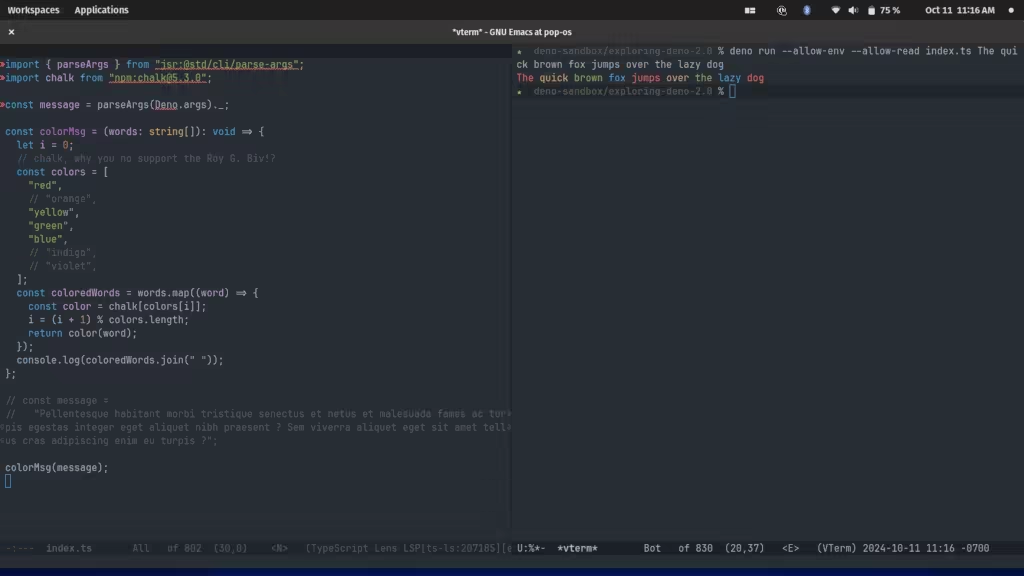
Deno 2.0 and the npm: specifier
Categorized: CLIThe Deno 2.0 announcement mentions many cool new features. I’m still working through things in the blog post, but something as simple as using the npm: specifier will be great for writing one-off scripts using Typescript and any number of great packages in the NPM ecosystem. For example, here’s a quick script that uses chalk to